Sasha Romantsova, the executive director of the Center for Civil Liberties in Kiev, gave the participants of the Summer School a little homework: start writing your own Nobel Peace price speeches !
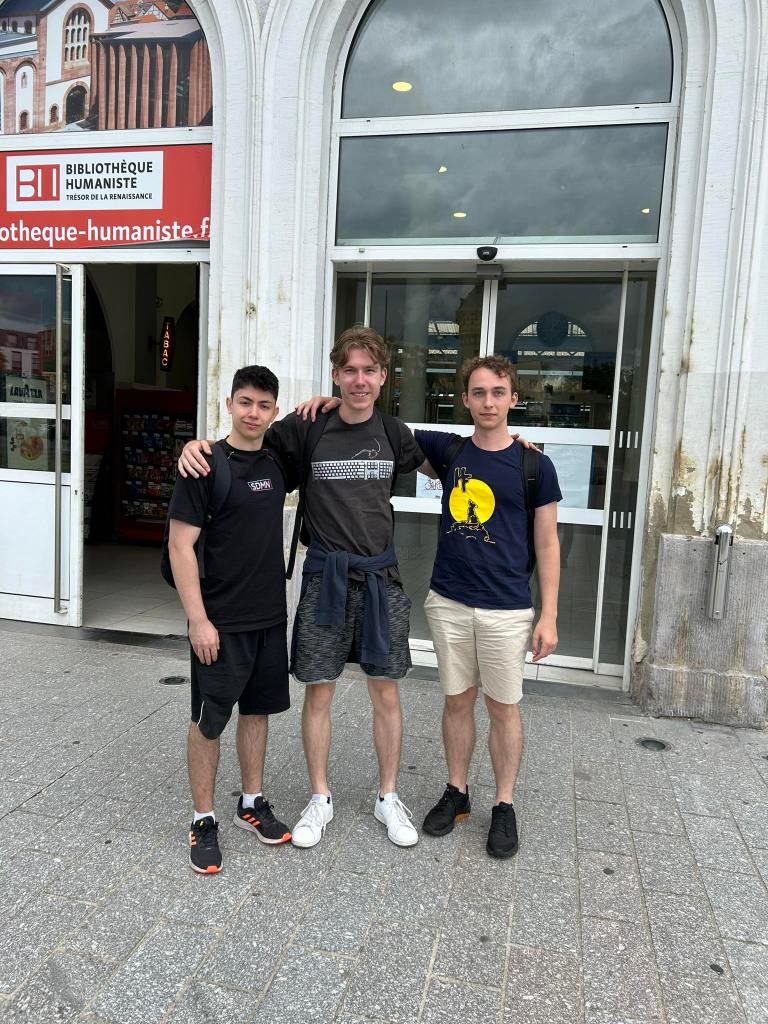
For peace to be realized, we need to experience war.
However, war is an unnatural state of the universal being.
If we look around in our world, hatred and conscious willingness to hurt does not occur anywhere naturally.
A river does not fight a rock when it comes in its way; it gently keeps flowing bypassing it.
A predator does not have conscious feelings towards its prey; it is only driven by guts and instincts.
We should re-learn it from nature, getting back to our basics when we lived in peace is essential for long-term prosperity.
When politics and business life is motivated by exploiting all the available resources and maximizing profit that can be spent on further consumption, it would be difficult to overcome this greediness.
In this process, everyone has their own role: some will initiate the change and guide the others in the positive direction, others will use their influence to persuade others to join and most will follow the trend after experiencing the benefits of the change.
We are all responsible for realizing the potential in each of us.
I wish strength, dedication and discipline for that, it will not be easy.
Let’s build something great together!
Péter Benkő
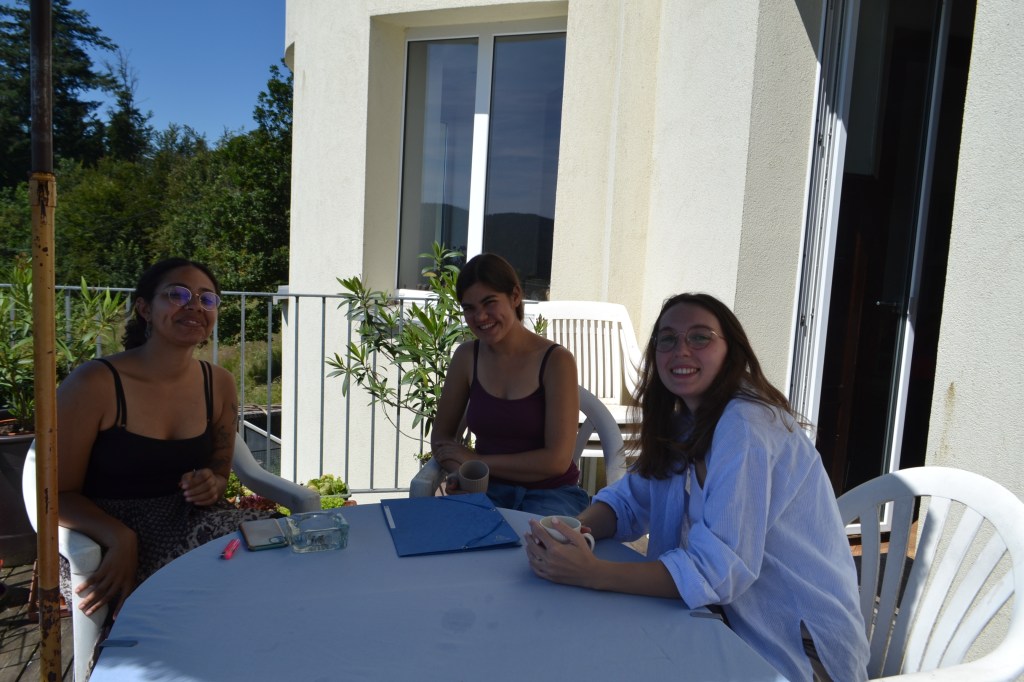
As difficult as it is to find a definition for the expression « peace », it seems to me to be just as difficult to choose the right words for this occasion.
Even though I know the world is a complex place, almost a matrix which ist nearly incapable to see through or even understand, I see myself confronted with binary paradoxes again and again.
The biggest today seemingly beeing the pursuit of unlimited economic growth despite limited resources, followed by the fact that even the existing resources are not being fairly distributed.
Even this price is a paradox in itself: As honored as I am to receive this award, I cannot shake the thought that this and every other peace prize only exists because human dignity, despite its inviolability, is repeatedly questioned and violated.
We can call this immoral and condemn inhumane behaviour but this won’t change the reality of people who are suffering everyday. And don’t let your biases fool you. I’m not talking about people who need our help to get out of their, so often called “misery”.
I am talking about people who are strong, intelligent and capable, but either won’t get the opportunity to speak up or won’t recieve the courtesy to be heard.
Reflecting on my life, I am convinced there are thousands or even millions of other people who lead a life more worthy of this honor than I am. The only thing that distinguishes these people from me are coincidental circumstances.
Another binarity that has accompanied me my whole life was having a multicultural background and being biracial. While in my teens this would lead to existentiell insecurities and anger, I now see that my binary identity is what gave me a unique perspective, an advantage in life and maybe even brought me here tonight.
I don’t want to repeat my predecessors by asking for solidarity and humanity in society, this should be evident to everybody by now. Instead I ask everybody individually if they think they lead a life they can be proud of, and whether this pride can be measured in terms of money or the wellbeing of your fellow human beings.
Thank you again for letting me be here and all of you that see the value and meaning of this price. And let’s not only hope but work on ourselves so that human rights will become one day the center of our global society.
Milena Bös
“They didn’t know it was impossible, so they did it.” This quote from Mark Twain has guided me throughout my life as a powerful reminder that it is only our fear that limits our achievements. The spirit of overcoming impossible tasks would not be possible without the humanistic aspirations that have driven me —aspirations for the achievement of peace and justice in every corner of the world.
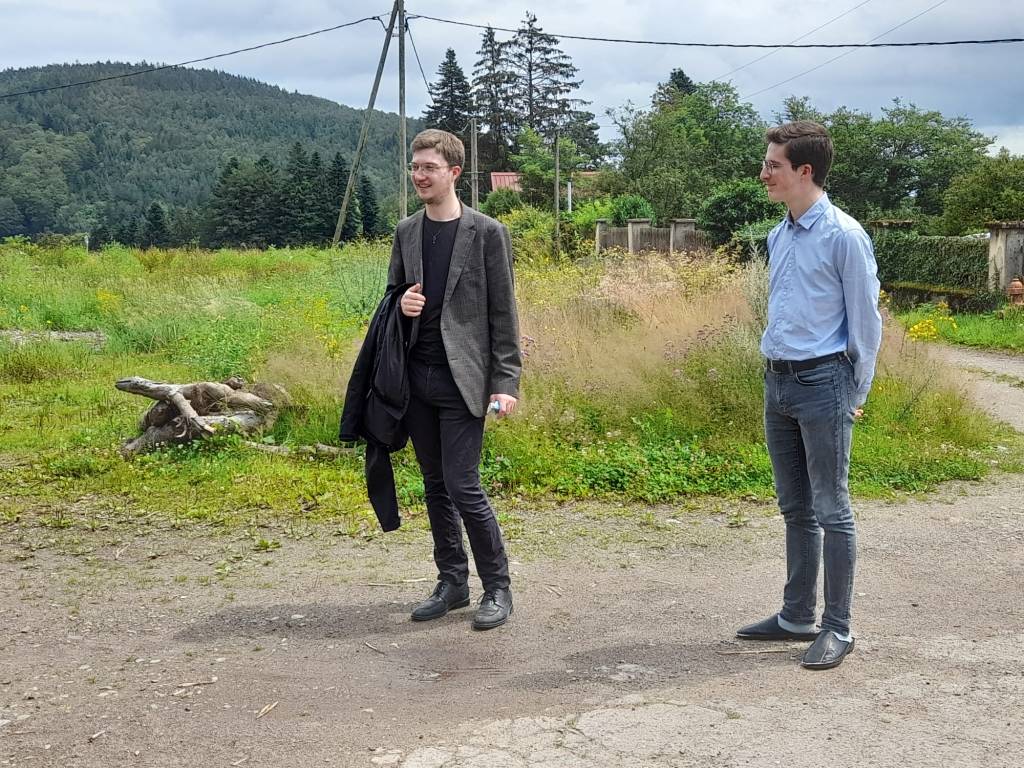
This award isn’t just a recognition of individual effort but a testament to the collective will and determination of countless individuals. In a world where individualism and competition have become common, this honor serves as a beacon of hope, reminding us that only unity and compassion will create a peaceful world.
As we move forward in these dark times, let us all commit to preferring dialogue over discord, collaboration over conflict, love over hatred, and democracy over dictatorship. The journey to peace is arduous, but it is one we must undertake together, hand in hand. Imagine the possibilities of a united humanity: advancements in science, development, and human rights. Humanity would finally assume her responsibility.
Nathan Doude van Troostwijk
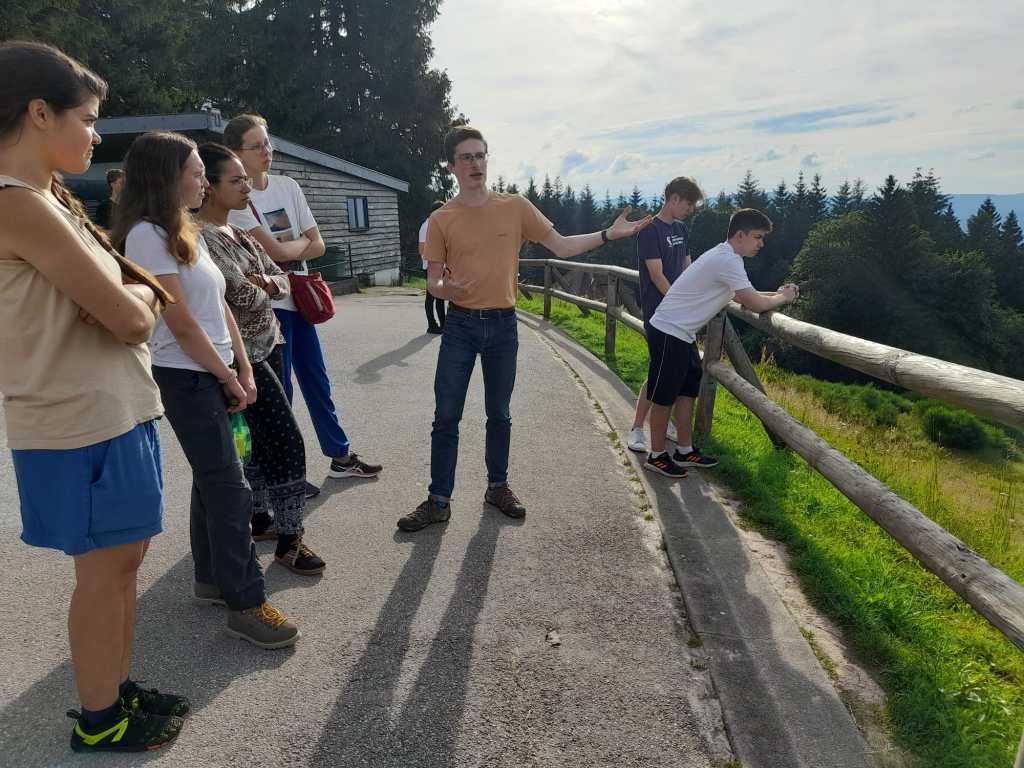
What is peace? Is it the absence of war, the feeling of security or of tranquillity, the absence of conflicts between individuals, or the harmony between people?
I would argue peace encompasses all these definitions at the same time but also none of them: in fact, peace is more the fact that anyone can live however they want, and be whoever they want, without having to surrender to the wills of others or to coercive social norms.
Thus, peace is a day-to-day fight which requires gigantic human resources and continuous work, but this is the most paramount engagement, because it allows people to dream.
Dreams should not only happen when we sleep but should also be realised when being awake.
I would like to dedicate this Nobel peace prize to all the people who continue to believe and dream, even in the hardest times, in the legacy of Albert Schweitzer, recipient of this prize in 1952, who, in Memoirs Of Childhood And Youth, wrote: “people with tell you: things are like they are, you won’t change the world. Don’t believe them!”
It is possible to change the world, bit by bit, if you chose not to stay indifferent. So, let’s start now! Let’s bring people together instead of facing them against each other! Let’s finally be human.
Ulysse Gounelle
I am deeply honored to receive this prestigious Nobel Peace Prize. Today, I stand before you not just as an artist, but as a messenger of our shared human experience. Art has always been a powerful medium to convey the complexities of modern problems to the world.
Through visual narratives, we can bring awareness to issues that might otherwise remain unseen, igniting the spark of empathy and understanding. Art transcends barriers, uniting us in a common cause and motivating action. It reminds us that even the smallest contribution can create ripples of change.
By each of us doing our part, we honor our ancestors’ legacies and pave the way for a brighter future for our descendants. Together, let us continue to use art as a beacon of hope and a catalyst for positive transformation.
Mariia Tiunova
 ABC-Climont